In Bangladeshi households, wood has been a cornerstone of daily life for generations. From furniture and kitchenware to children’s toys and pet accessories, wooden products play a vital role in everyday living. However, not all wood is created equal. Many mass-produced items are treated with chemicals, paints, or synthetic finishes, which can pose serious health and environmental risks.
This guide explores why chemical-free wood products are essential for Bangladeshi homes, the benefits they offer, and how families can make safer, more sustainable choices. For detailed insights, visit CraftKing’s chemical-free wood guide.
Why Chemical-Free Wood Matters in Bangladesh
Bangladesh’s humid climate and dense living conditions can amplify the risks of chemical exposure from treated wood products. Chemicals like formaldehyde, synthetic varnishes, and paints can release volatile organic compounds (VOCs) into the air, affecting indoor air quality.
By choosing chemical-free wood products, households can:
- Reduce exposure to harmful toxins
- Promote healthier indoor air quality
- Ensure the safety of children and pets
- Support environmentally responsible practices
For more on safe wood options, check CraftKing’s chemical-free wood products page.
Health Risks of Chemically Treated Wood
Chemical treatments on wood can include preservatives, varnishes, adhesives, and coatings designed to enhance durability or appearance. While these treatments increase product longevity, they often come with hidden risks:
- Respiratory Issues: VOCs emitted by treated wood can cause breathing difficulties, coughing, or irritation.
- Skin Reactions: Direct contact with chemically treated wood can trigger rashes or allergic reactions.
- Toxicity for Children and Pets: Children often touch, lick, or chew wooden objects. Pets can also be affected by chemical residues.
- Environmental Harm: Chemical treatments can contaminate soil and water during production or disposal.
Choosing chemical-free wood eliminates these risks and ensures safer living spaces. Learn more here.
Benefits of Chemical-Free Wood Products
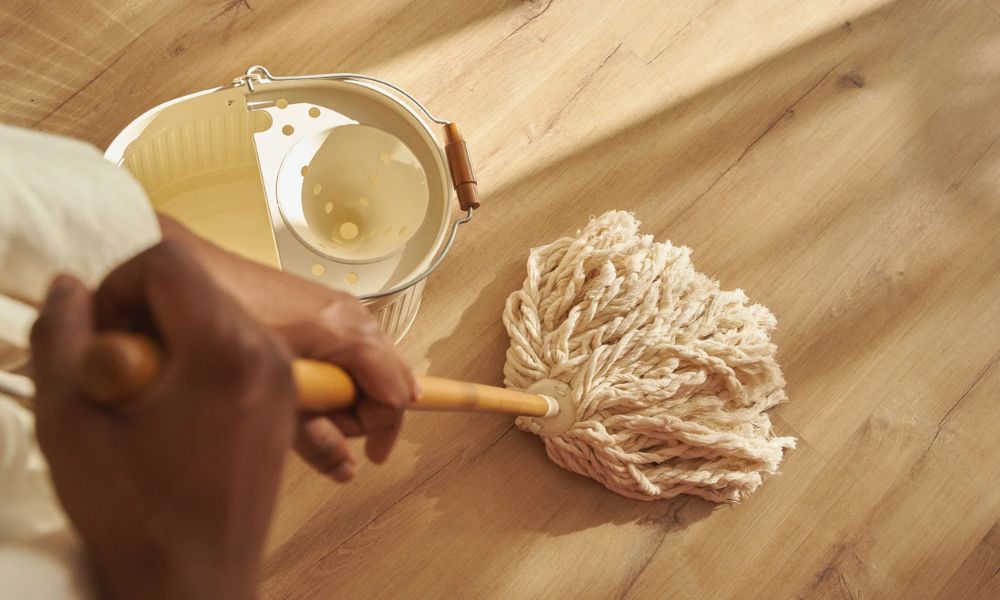
Chemical-free wood products provide multiple advantages for everyday living in Bangladeshi homes:
1. Healthier Living Environment
Chemical-free wood doesn’t emit harmful VOCs, reducing indoor air pollution. Families with children and pets benefit significantly from safer surfaces and fewer allergens.
2. Natural Durability
Certain woods like Mahogany, Akashmoni, and Eucalyptus are naturally resistant to pests and moisture, meaning chemical treatments are unnecessary. More details on these woods here.
3. Eco-Friendly Choice
Using chemical-free wood supports sustainable forestry and reduces environmental contamination. Choosing natural finishes over synthetic coatings helps preserve local ecosystems.
4. Aesthetic Appeal
Chemical-free wood retains its natural grain, warmth, and texture. Over time, it develops a patina that enhances the beauty of homes, unlike chemical-treated surfaces that may fade or peel.
5. Long-Term Safety
For Bangladeshi households, investing in chemical-free wood products ensures long-lasting safety, particularly for kids and pets who interact closely with furniture, toys, and daily-use items.
Common Everyday Products That Should Be Chemical-Free
Chemical-free wood products extend across many categories of everyday use:
- Furniture: Tables, chairs, cabinets, and shelves
- Children’s Toys: Learning towers, playhouses, and blocks
- Pet Accessories: Beds, ramps, and climbing furniture
- Kitchenware: Cutting boards, spice racks, and storage boxes
- Decor: Frames, mirrors, and wall panels
Choosing chemical-free alternatives for these items can significantly reduce health risks in Bangladeshi homes. For curated chemical-free options, visit CraftKing’s product guide.
How to Identify Chemical-Free Wood Products
When shopping for wood products, consider the following tips to ensure safety:
- Check Labels: Look for terms like “natural,” “chemical-free,” “non-toxic,” or “eco-friendly.”
- Ask About Finishes: Water-based or natural oil finishes are safer than synthetic paints.
- Trust Reputable Brands: Companies that prioritize sustainability and safety are more reliable.
- Research Wood Types: Certain woods, like Mahogany and Eucalyptus, are naturally durable and pest-resistant, reducing the need for chemical treatment.
For trusted chemical-free wood products in Bangladesh, check CraftKing.
Why Children and Pets Benefit Most
Children and pets are particularly vulnerable to the adverse effects of chemical-treated wood. Choosing chemical-free wood ensures:
- Reduced exposure to toxic chemicals
- Safer surfaces for play and interaction
- Peace of mind for parents and pet owners
Read more on child- and pet-friendly wood options here.
Environmental Impact of Chemical-Free Wood
Choosing chemical-free wood also benefits the environment. Chemicals in treated wood can:
- Pollute water sources during disposal
- Contribute to soil contamination
- Increase carbon footprint through synthetic production
Chemical-free wood, sourced responsibly, promotes sustainable forestry and eco-conscious living in Bangladesh. Learn more about environmental benefits here.
Maintenance Tips for Chemical-Free Wood
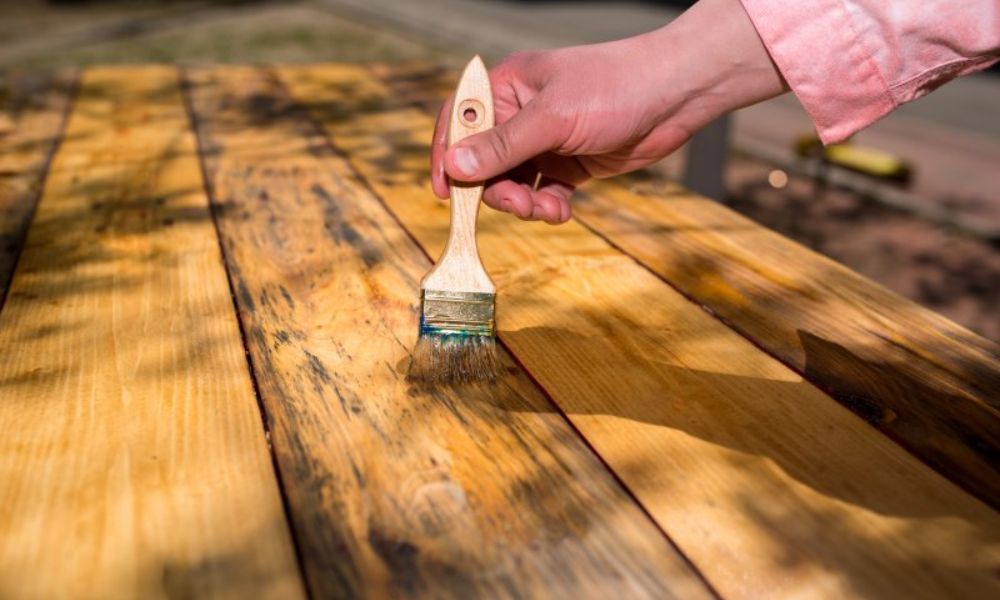
While chemical-free wood is safer, it still requires care to maintain durability and appearance:
- Avoid excessive moisture: Keep away from damp areas to prevent warping.
- Regular cleaning: Use dry or slightly damp cloths for dust removal.
- Use natural oils: Periodic application of natural oils preserves color and prevents cracking.
- Inspect regularly: Check for pests or surface damage and treat with natural solutions.
For a comprehensive guide on maintaining chemical-free wood products, visit CraftKing maintenance tips.
Choosing the Right Chemical-Free Wood for Your Home
Bangladeshi households should consider:
- Local climate: Humidity and rainfall affect wood selection.
- Intended use: Furniture, children’s toys, or pet products have different durability needs.
- Budget: Long-term investment in natural wood often saves costs on replacements.
- Sustainability: Opt for responsibly sourced and chemical-free products.
For recommendations on the best chemical-free woods for everyday use, see CraftKing’s full guide.
Common Mistakes to Avoid
Even when choosing chemical-free wood, homeowners often make mistakes:
- Purchasing untreated boards without proper finishing
- Ignoring moisture control in humid areas
- Choosing thin or weak panels for high-traffic use
- Using synthetic finishes on natural wood
Avoid these mistakes to ensure your chemical-free wood products remain safe and long-lasting. More safety tips here.
Final Thoughts
Chemical-free wood products are more than a design choice—they are an essential aspect of healthy living in Bangladeshi homes. From safety and durability to environmental responsibility and aesthetic appeal, natural wood enhances the quality of everyday life for children, pets, and adults alike.
Investing in chemical-free wood ensures that your home is safer, healthier, and more sustainable. For a complete guide to selecting, maintaining, and using chemical-free wood products in Bangladesh, visit CraftKing’s guide.