In Bangladesh, wood is more than just a building material — it’s a part of everyday life. From lifestyle pieces and décor to practical home items and children’s play products, wooden goods are celebrated for their natural beauty and durability. But not all wooden products are created equal. While mass‑produced alternatives are widely available, handcrafted wooden items consistently outperform them in quality, longevity, and overall value.
In this comprehensive guide, we’ll explore why handcrafted wooden products last longer than mass‑produced alternatives, and why choosing artisanal craftsmanship benefits both buyers and communities. For detailed insights, visit https://craftking.com.bd/handcrafted-wood-products-benefits.
What Are Handcrafted Wooden Products?
Handcrafted wooden products are items made by skilled artisans who shape, assemble, and finish wood by hand or with minimal machine assistance. These products often blend traditional craftsmanship with modern design, resulting in pieces that are not only functional but also unique.
Handcrafting involves careful attention to detail, quality control at every step, and a commitment to durability. Learn more about handcrafted wood benefits here.
What Are Mass‑Produced Wooden Alternatives?
Mass‑produced wood products are manufactured in large quantities using assembly‑line processes and automated machinery. Often made in factories, these products may use low‑grade wood, engineered materials, or chemical finishes to reduce cost and speed up production.
While these items are often affordable and uniform in appearance, they typically lack the depth of quality and care found in handcrafted products. For an in‑depth look at why handcrafted wood outperforms mass‑produced alternatives, visit CraftKing’s guide.
1. Superior Material Selection
One of the core reasons handcrafted wooden products last longer is material quality.
Handcrafted Products:
- Crafted from high‑grade solid wood
- Carefully selected for strength, grain, and stability
- Often seasoned to ensure moisture resistance
Mass‑Produced Alternatives:
- May use low‑grade wood or mixed panels
- Often rely on engineered boards with adhesives
- Prone to swelling, splitting, and surface deterioration
High‑quality wood choices such as Mahogany, Akashmoni, or Eucalyptus naturally resist moisture and pests — a major advantage for Bangladeshi homes with humid climates. Explore more about wood quality and benefits here.
2. Skilled Craftsmanship Makes the Difference
Handcrafted wooden products are built by experienced artisans who understand the nature of wood — how it expands, contracts, and behaves over time. Their expertise allows them to work with the material in ways machines cannot.
Craftsmanship Benefits:
- Precision joinery for strength
- Custom adjustments during construction
- Attention to detail in every joint and curve
- Use of time‑tested techniques
This level of expertise results in products that are structurally sound and long‑lasting — even with daily use.
Mass‑produced items, on the other hand, rely on machines that follow preset measurements, often ignoring the unique characteristics of each piece of wood. For more comparisons, visit handcrafted wood benefits.
3. Customisation and Fit
Handcrafted wood products are often custom‑made or adjusted during production to fit specific needs. Whether it’s a shelf, décor piece, or lifestyle item, artisans tailor every detail.
Advantages of Customisation:
- Better fit for intended use
- Reduced stress points and weak seams
- Personalized aesthetic finishes
Mass‑produced products, in contrast, are standardized. While this can be convenient, it often sacrifices structural optimization and longevity. To understand more about the value of handcrafted wood, visit CraftKing’s guide.
4. Natural Finishes and Safe Materials
Handcrafted products often use natural, non‑toxic finishes like wax, oil, and water‑based sealants — making them safer for indoor use, especially in homes with children and pets.
Benefits of Natural Finishes:
- Reduced chemical exposure
- Enhanced wood breathability
- Easier maintenance and rejuvenation
Mass‑produced alternatives often use cheap chemical coatings and synthetic paints that may crack, peel, or emit volatile compounds over time. Discover safe finishing practices in our wood benefits guide here.
5. Reduced Waste and Thoughtful Construction
Craftsmen approach wood with intention — using each piece wisely and minimizing waste. Off‑cuts may be repurposed, and nothing is discarded without thought.
Handcrafted Production:
- Precise cutting to reduce waste
- Quality control at every step
- Thoughtful use of wood grain and pattern
Mass production, in contrast, focuses on speed and volume, often generating excess waste and prioritizing cost over quality.
For insights on sustainable wood practices connected to handcrafted products, see CraftKing’s complete guide.
6. Stronger Joints and Better Joinery
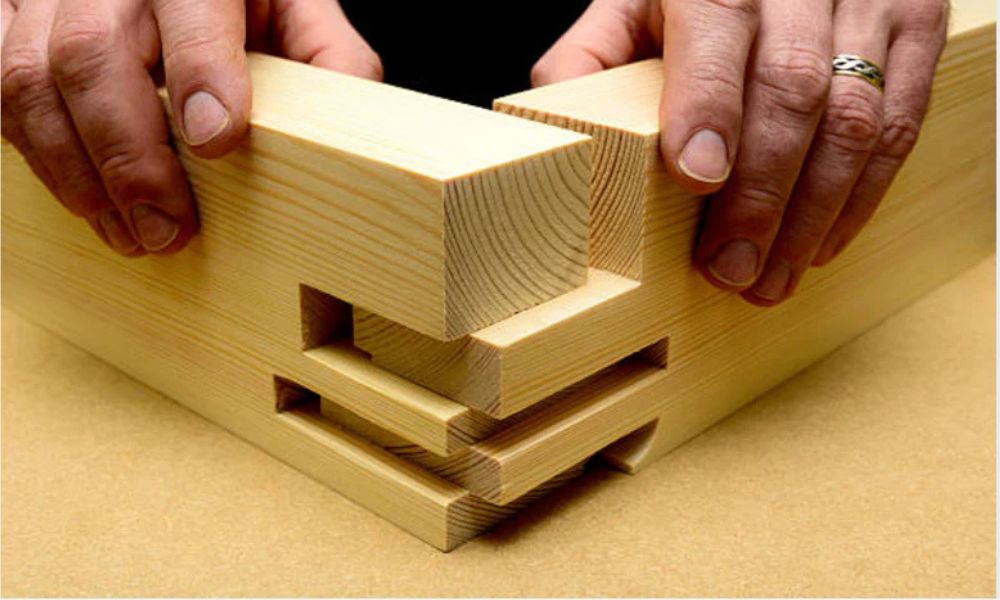
One of the most important aspects of long‑lasting wood products is how the pieces are joined together. Handcrafted wooden products often use traditional joinery, such as dovetails, mortise and tenon, and dowel joints. These techniques provide strength without relying on nails or screws alone.
Advantages of Skilled Joinery:
- Greater resistance to warping
- Less loosening over time
- Better load distribution
Mass‑produced products often use staples, glue, or simple fasteners that can weaken with moisture and temperature changes. Learn more about craftsmanship quality here.
7. Better Performance in Bangladeshi Conditions
Bangladesh’s climate presents specific challenges: high humidity, monsoon rains, and temperature variation. Handcrafted wooden products — made with seasoned wood and protective finishes — are better equipped to withstand these conditions.
With careful construction and attention to detail, handcrafted pieces are less likely to warp, swell, or develop cracks. For more on wood performance in local climates, see our dry climate insights at handcrafted wood benefits.
8. Maintenance and Longevity
Handcrafted wooden products are designed with long‑term care in mind. Because they are made from quality materials and assembled thoughtfully, these products can be maintained easily:
Maintenance Benefits:
- Natural finishes can be refreshed with oils
- Wood responds well to seasonal care
- Minor damage can be repaired by artisans
In contrast, mass‑produced products often cannot be repaired once surfaces peel or components weaken. For practical maintenance tips, visit CraftKing’s wood care guides.
9. Ethical and Sustainable Production
Handcrafted wood products often align with sustainable and ethical production values. Many craftsmen source wood responsibly, use eco‑friendly finishes, and support traditional skills.
Sustainability Benefits:
- Supports local craftsmanship
- Encourages responsible wood sourcing
- Reduces waste and promotes quality over quantity
Mass production tends to prioritise speed and cost, sometimes at the expense of environmental and social responsibility. Explore the connection between craftsmanship and sustainability at handcrafted wood products guide.
10. Uniqueness and Character
Every piece of handcrafted wood carries a story. Variations in grain, finish, and design make hand‑made products unique — a quality that mass‑produced items often lack.
Why Uniqueness Matters:
- Enhances home aesthetic
- Creates a personal connection
- Adds value that increases over time
This sense of character is something machines cannot replicate and something buyers treasure for years. For more on the emotional and aesthetic value of handcrafted wood, read here.
Real Examples of Longevity
Let’s look at practical examples of how handcrafted wood outperforms mass production in real Bangladeshi households.
Children’s Play Items:
Handcrafted items made from solid, seasoned wood stay intact longer through rough use. Mass‑produced alternatives often suffer breakage, warping, or surface cracks. Learn more about safe wood for children at CraftKing’s benefits page.
Lifestyle Pieces:
Handcrafted shelves, trays, and décor last through humidity and daily use, while mass‑made boards swell or peel over time. Discover more quality benefits here.
Daily Utility Items:
Knitted wooden tools and household pieces made by artisans hold up through regular use and look better with age — something factory products seldom offer.
How Buyers Can Choose Quality Handcrafted Wood
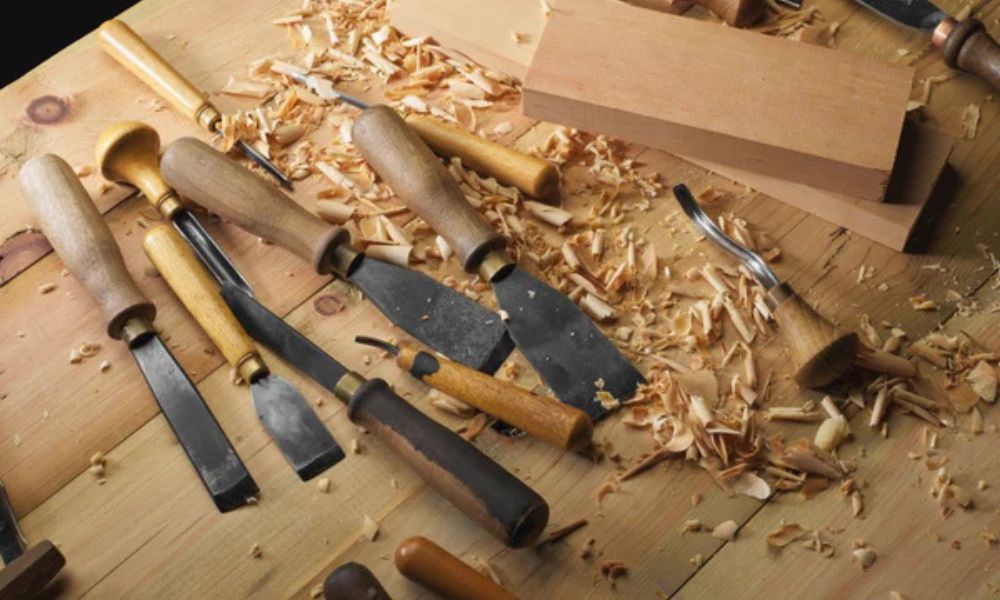
Choosing handcrafted wood doesn’t have to be complicated.
Tips for Buyers:
- Ask about craftsmanship methods
- Check for solid wood and joinery quality
- Look for natural, non‑toxic finishes
- Prefer brands with ethical sourcing
- Support local artisan communities
Good craftsmanship equals long‑lasting wood — a value beyond price alone. For guidance on choosing the right products, visit CraftKing’s handcrafted wood benefits.
Mistakes to Avoid
Even when buying handcrafted wood, some mistakes weaken longevity:
- Choosing wood without seasoning
- Ignoring protective finishes
- Placing wood in moisture‑prone areas
- Using harsh cleaning chemicals
Avoiding these pitfalls ensures your handcrafted products last decades. For wood care and maintenance insights, see CraftKing wood guides.
Final Thoughts
Handcrafted wooden products embody quality, durability, artistry, and sustainability — far beyond what mass‑produced alternatives offer. In Bangladesh, where climate and daily use can challenge the performance of wood, choosing handcrafted items ensures lasting value, safer homes, and a deeper appreciation for the craft.