Buying wood products in Bangladesh can be overwhelming. From children’s furniture, lifestyle items, and décor to pet accessories, the choices are vast. But not all wood products are created equal. Choosing quality wood ensures durability, safety, and long-term value for your home.
This guide will help Bangladeshi buyers identify high-quality wood products before purchasing, explain what to look for, common mistakes, and practical tips to make the right decision. For further insights, visit CraftKing’s guide.
Why Identifying Quality Wood Matters
Bangladesh’s climate, with high humidity, monsoon rains, and fluctuating temperatures, makes poor-quality wood prone to warping, cracking, and pest damage. Purchasing substandard wood can lead to frequent repairs, safety hazards, and additional costs.
Quality wood ensures:
- Long-lasting durability
- Resistance to moisture and pests
- Safe use for children and pets
- Better aesthetics and craftsmanship
Learn more about selecting safe and quality wood here.
Check the Type of Wood
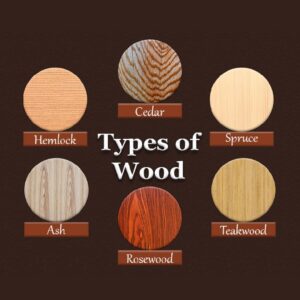
The first step is understanding the wood species. Each type has unique characteristics suitable for different purposes.
Popular Wood Types in Bangladesh
- Mahogany (Mehogoni): Durable, moisture-resistant, ideal for furniture and lifestyle products.
- Akashmoni: Affordable, lightweight, requires proper finishing.
- Koroi: Moderate strength, best for indoor use with protective treatment.
- Pine: Softwood, ideal for indoor items, requires sealing.
- Eucalyptus (Ukaliptas): Strong, dense, and eco-friendly.
- Engineered Board: Cost-effective, uniform appearance, depends on quality finishing.
You can read more about different wood types in Bangladesh here.
Inspect the Grain and Texture
High-quality wood has consistent grain and smooth texture. Grain patterns indicate strength and stability.
Tips to Inspect
- Check for uniform grain without abrupt changes.
- Look for tight, straight fibers, which indicate durability.
- Avoid wood with excess knots or cracks, which can weaken it.
Well-grained wood ages better and is less prone to warping. For details on grain and wood quality, visit CraftKing.
Examine the Finish
Finish affects both the appearance and longevity of wood. Proper finishing protects against moisture, pests, and wear.
Signs of Good Finish
- Smooth, even surface without sticky patches
- Non-toxic, water-based or natural oil finishes
- Consistent color without blotches
- Resistant to scratches and stains
Avoid wood products with heavy chemical coatings, as they may emit harmful fumes. Learn more about safe wood finishes here.
Check for Proper Seasoning
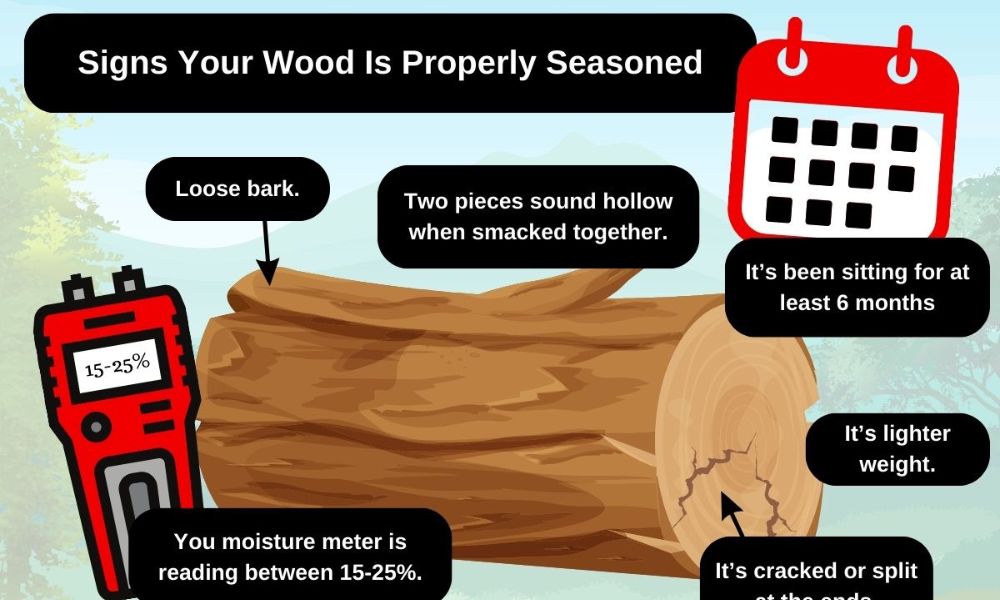
Seasoning removes excess moisture, ensuring dimensional stability. In Bangladesh’s humid climate, unseasoned wood warps quickly.
How to Identify Well-Seasoned Wood
- Light weight but solid feel
- Minimal cracking or splitting on edges
- Even color without patches of dampness
- Absence of a strong chemical smell
Seasoned wood is essential for long-term use. For insights on wood preparation, visit CraftKing’s guide.
Test for Moisture and Pests
Excess moisture makes wood vulnerable to fungus, mold, and termite attacks.
Simple Checks
- Tap the wood lightly; a solid sound indicates low moisture.
- Inspect for holes, frass, or insect trails.
- Smell the wood: must not have a damp or musty odor.
High-quality wood is properly dried and treated to resist pests. More tips on pest-resistant wood here.
Assess the Weight and Density
Density relates to strength and durability. Heavier wood usually indicates solid, robust material, while light, thin wood may be weaker.
- Compare similar-sized pieces: solid hardwoods feel heavier than softwoods or low-quality boards.
- Avoid products that feel overly light unless they are engineered for specific purposes.
For a detailed comparison of wood density and suitability, visit CraftKing.
Look for Craftsmanship and Joinery
Quality wood products often feature excellent craftsmanship, including smooth edges, precise joinery, and secure fittings.
What to Check
- Tight joints without gaps
- Smooth sanding and polishing
- Sturdy construction
- Minimal or hidden nails/screws for aesthetic finish
High-quality craftsmanship enhances durability and safety, especially for children and pets. Learn more about handcrafted wood benefits here.
Check for Non-Toxic and Eco-Friendly Certification
Quality wood should be chemical-free and eco-friendly, particularly for items used by children and pets.
- Look for non-toxic finishes and paints
- Prefer sustainably sourced wood like Eucalyptus or certified Mahogany
- Avoid wood treated with harmful preservatives
Responsible sourcing improves safety and environmental impact. For more information, visit CraftKing’s eco-friendly wood guide.
Consider the Intended Use
Selecting wood depends on purpose: indoor vs. outdoor, decorative vs. functional.
- Indoor lifestyle items: Pine, Akashmoni, Koroi
- Children and pet products: Mahogany, Eucalyptus, non-toxic finishes
- Outdoor furniture: Teak, well-treated hardwoods
Choosing the right type ensures longevity and performance. Explore wood selection for specific uses here
Ask About Warranty and Supplier Reputation
Reliable suppliers often offer warranties and guarantees, indicating confidence in their wood products.
- Verify supplier’s experience and reviews
- Check for after-sales support
- Ask for details on wood source, treatment, and finish
A trustworthy supplier ensures quality and peace of mind. Learn how to select a reliable wood supplier here.
Common Mistakes Buyers Make in Bangladesh

Even experienced buyers sometimes choose poorly. Avoid these mistakes:
- Selecting cheap, untreated wood without checking durability
- Ignoring climate suitability
- Skipping inspection for pests and moisture
- Overlooking finish and craftsmanship
- Buying from unverified sellers
More tips to avoid pitfalls are available at CraftKing’s guide.
Final Thoughts
Identifying quality wood products is a crucial step in ensuring long-lasting, safe, and aesthetically pleasing items for your home. In Bangladesh, considering wood type, seasoning, finish, pest resistance, and craftsmanship is essential for protecting your investment and ensuring a healthy living environment.