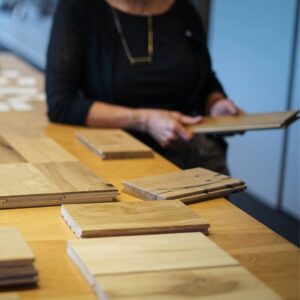
When it comes to choosing wood for your home in Bangladesh, one of the most important decisions is whether to go with solid wood or engineered board. Both materials are widely used—but they have very different characteristics, benefits, and limitations. Understanding these differences helps Bangladeshi buyers invest wisely in products that last and perform well in our unique climate.
In this guide, we will break down what solid wood and engineered board are, how they compare, and which option is best suited for different needs. For a more detailed look at both wood types, visit our full guide at Solid Wood vs Engineered Board.
What Is Solid Wood?
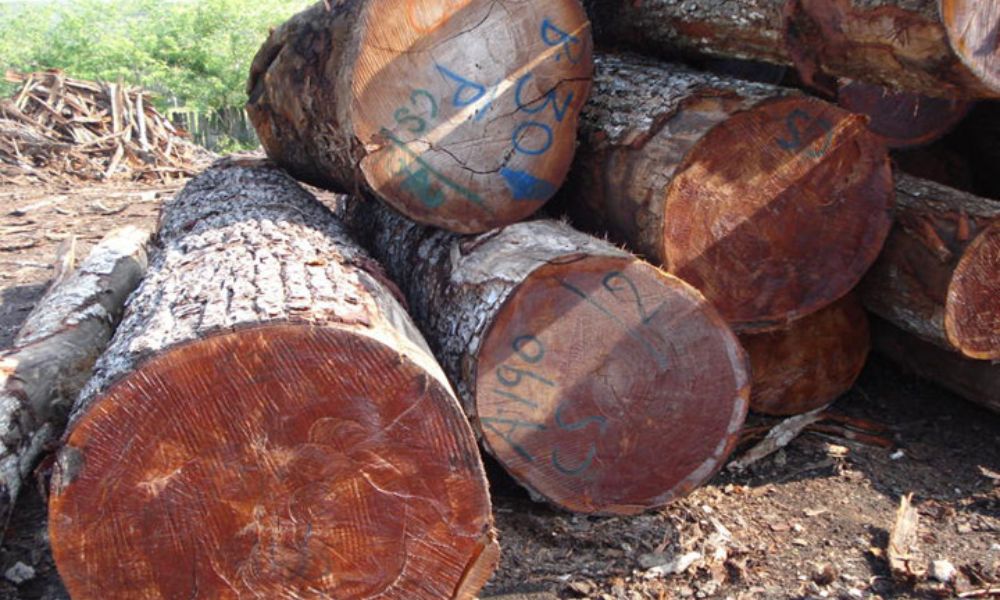
Solid wood refers to wood that has been cut directly from a tree and shaped for use without re‑forming or layering. It includes boards made from a single piece of timber such as Mahogany, Akashmoni, Koroi, Pine, or Eucalyptus.
Key Characteristics of Solid Wood
- 100% natural material
- Strong and durable
- Unique grain patterns
- Ages beautifully over time
Solid wood products are often considered premium due to their longevity and natural aesthetics. They perform particularly well in Bangladeshi homes when properly seasoned and finished. Learn more about natural wood and its benefits here.
What Is Engineered Board?
Engineered board refers to wood products created by bonding layers of wood fibers, veneers, or particles together using adhesives. Common types include plywood, MDF (medium‑density fiberboard), and particle board.
Key Characteristics of Engineered Board
- Manufactured from wood components
- More uniform surface
- Less expensive than solid wood
- Easier to produce in large quantities
Engineered boards are often chosen for cost‑effective constructions and decorative applications. However, they behave differently from solid wood, especially in humid climates like Bangladesh’s. For a full comparison, see Solid Wood vs Engineered Board.
Durability: Solid Wood vs Engineered Board
Durability is one of the biggest deciding factors for Bangladeshi buyers.
Solid Wood:
Solid wood is naturally robust and resilient. With adequate seasoning and finishing, solid wood can withstand moisture, temperature variations, and daily wear. It is less likely to warp, bend, or weaken over time when cared for properly.
Engineered Board:
While engineered board has a consistent surface and uniform structure, its strength depends greatly on the quality of adhesives used. In humid conditions—like those in Bangladesh—boards with low‑quality bonding can delaminate or swell. For wood choices that handle moisture better, visit Solid Wood vs Engineered Board.
Moisture Resistance: A Critical Factor in Bangladesh
Bangladesh has a hot and humid climate for most of the year, which makes moisture resistance especially important.
Solid Wood:
Naturally dense woods like Mahogany and Eucalyptus resist moisture better than many alternatives. With proper protective finishes, solid wood can handle humidity and seasonal rain without significant damage.
Engineered Board:
Boards like plywood or MDF contain adhesives that may break down if exposed to excessive moisture. This can cause swelling, surface bubbling, or separation of layers. For tips on choosing moisture‑resistant wood products, check Solid Wood vs Engineered Board.
Aesthetic Appeal: Natural Beauty vs Uniform Surface
When it comes to appearance, both materials offer unique benefits.
Solid Wood:
Solid wood boasts unique grain patterns and warm tones that enhance interior aesthetics. Over time, it develops a rich patina that adds character to your home.
Engineered Board:
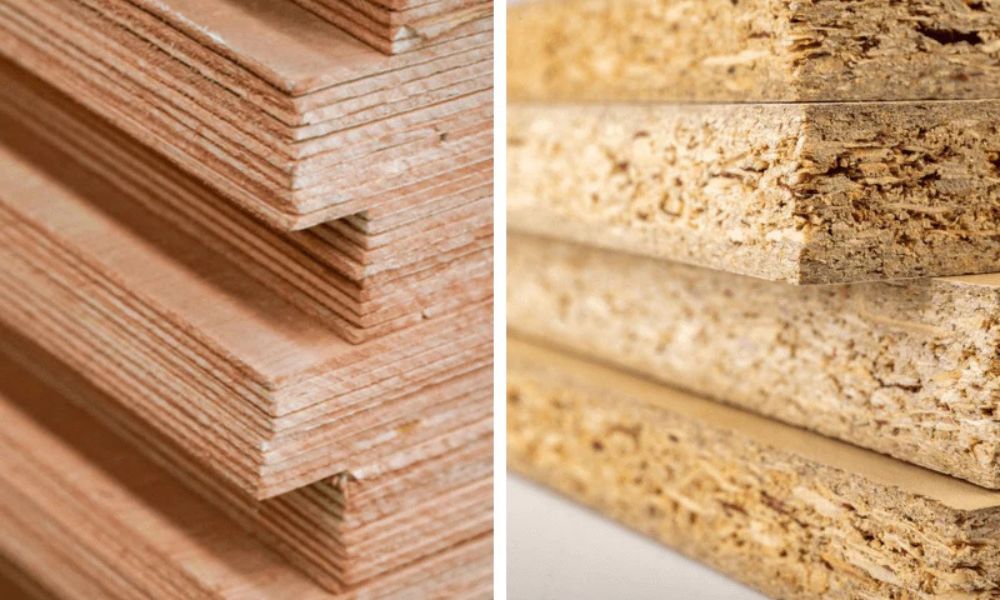
Engineered boards often come with printed or veneered surfaces that look attractive initially. However, these surfaces might fade or peel over time, especially in high‑moisture environments.
To understand more about wood finishes and beauty, visit Solid Wood vs Engineered Board.
Longevity and Maintenance
Solid Wood:
With proper seasoning and care, solid wood lasts for decades. Simple maintenance like regular cleaning, applying protective oils, and avoiding prolonged water exposure ensures its longevity.
Engineered Board:
Although engineered board can last for many years, it generally requires more careful handling—especially around water and heavy loads. If the board is damaged, repairs are often more complicated compared to solid wood.
For maintenance tips on different wood types, see Solid Wood vs Engineered Board.
Cost Comparison
Cost is often a major factor when choosing between solid wood and engineered board.
Solid Wood:
Solid wood usually comes with a higher upfront cost due to its natural origin and durability. However, because solid wood lasts longer, it often becomes more cost‑effective over time.
Engineered Board:
Engineered boards are more budget‑friendly initially, which makes them attractive for large‑scale or temporary applications. But for long‑term investment pieces, solid wood can be a smarter choice.
For a deeper dive into cost and value, visit Solid Wood vs Engineered Board.
Safety and Health Considerations
Solid Wood:
Solid wood, especially when finished with natural oils or water‑based varnishes, is a healthier choice for homes with children and pets. It emits fewer volatile compounds and supports better indoor air quality.
Engineered Board:
Boards containing adhesives may emit formaldehyde or other chemicals if low‑quality materials are used. This is a concern in enclosed living spaces.
To explore safe wood options, check Solid Wood vs Engineered Board.
Sustainability and Environmental Impact
In Bangladesh, environmental responsibility is increasingly important for consumers.
Solid Wood:
When sourced responsibly, solid wood supports sustainable forestry and local craftsmanship. It is biodegradable and renewable.
Engineered Board:
Board products often use wood chips and fibers that make use of waste wood. However, the adhesives and resins involved may not be environmentally friendly unless certified.
Learn more about sustainable wood choices at Solid Wood vs Engineered Board.
Best Uses: When to Choose What
Choosing between solid wood and engineered board comes down to expected use and environment.
When to Choose Solid Wood:
- When durability is a priority
- For long‑term household items
- For pieces that see heavy use
- When natural aesthetics are important
When Engineered Board Works Well:
- For decorative interior elements
- For short‑term or budget projects
- Where moisture and heavy load are minimal
For help deciding what’s right for you, visit Solid Wood vs Engineered Board.
Real‑World Examples for Bangladeshi Homes
Let’s consider common scenarios in Bangladeshi homes:
Living Room Cabinets
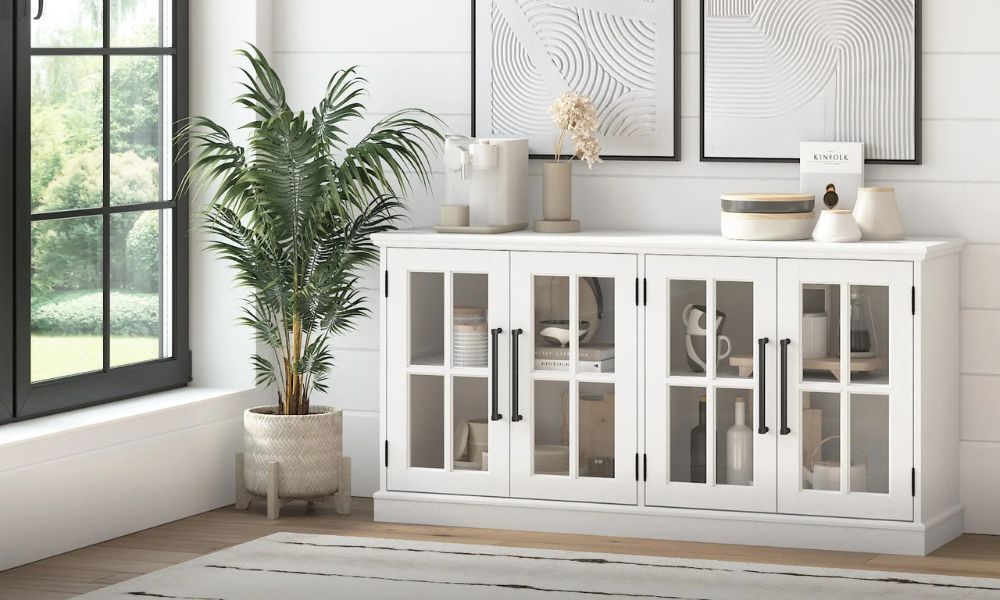
For long‑lasting beauty and strength, solid wood is usually better—especially if the piece is used frequently. Engineered boards might work for lighter, decorative shelves.
Children’s Play Areas
Solid wood finished with non‑toxic materials is safer and more durable for child‑safe environments. Learn more about child‑safe woods at Solid Wood vs Engineered Board.
Pet Accessories
Pets require sturdy, moisture‑resistant surfaces. Solid wood with natural finishes performs better in humid homes. Visit Solid Wood vs Engineered Board for details.
Mistakes to Avoid When Choosing Wood Materials
Even experienced buyers make errors that cost time and money:
- Ignoring climate impact: Not considering Bangladesh’s humidity can lead to swelling or weakening.
- Choosing low‑quality boards: Some engineered boards perform poorly in moisture.
- Neglecting maintenance: Both types need proper care.
- Overlooking health safety: Ignoring emissions and chemical finishes can affect indoor air quality.
Avoid these common mistakes by learning more at Solid Wood vs Engineered Board.
Final Thoughts
Deciding between solid wood and engineered board is one of the most important choices Bangladeshi buyers face when planning wooden products for their homes. Both materials have advantages and limitations—but understanding how they differ will help you make smarter, long‑lasting investments.
For most long‑term home needs, including high‑use areas, natural solid wood is often the better choice thanks to its durability, moisture resistance, and timeless appeal. Engineered board, while useful in certain contexts, requires careful consideration in Bangladesh’s unique climate.