In recent years, sustainability has become an essential consideration for homeowners, artisans, and businesses in Bangladesh. As consumers think more carefully about the environmental and social impact of the products they choose, sustainable wood sourcing and responsible craftsmanship have emerged as critical priorities—especially for wood products that are part of everyday life.
From furniture and décor to children’s play items and pet accessories, wood continues to be one of the most trusted materials in Bangladeshi homes. However, ensuring that this wood comes from responsibly managed sources and is crafted with ethical practices makes all the difference for long‑term environmental health and product quality.
In this comprehensive article, we explain what sustainable wood sourcing means, why it matters for Bangladesh, how responsible craftsmanship improves product value, and how families can make better choices. For the full guide, visit https://craftking.com.bd/sustainable-wood-sourcing-bangladesh.
What Is Sustainable Wood Sourcing?
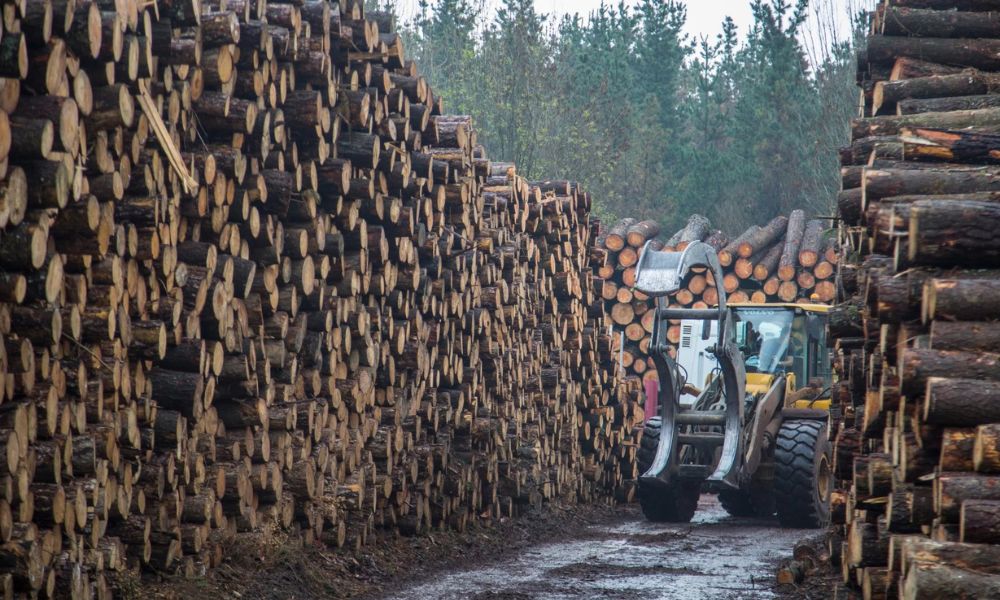
Sustainable wood sourcing refers to the responsible harvesting of wood in ways that preserve forests, protect ecosystems, and provide long‑term availability of natural resources. It means selecting wood from forests or plantations that are managed with environmental care, legal compliance, and social responsibility.
Key aspects of sustainable wood sourcing include:
- Renewing harvested areas with replanting programs
- Avoiding illegal logging and deforestation
- Protecting biodiversity and soil health
- Respecting local community rights
These practices ensure that forests remain healthy and continue to supply wood for future generations. For more detailed insights, check our full guide: Sustainable Wood Sourcing and Responsible Craftsmanship in Bangladesh.
Why Sustainable Wood Matters in Bangladesh
Bangladesh is a country with lush landscapes and a growing demand for wood products. However, unregulated wood harvesting and deforestation can lead to environmental problems such as loss of green cover, soil erosion, and reduced air quality.
Here’s why sustainable wood matters:
- Environmental Protection: Healthy forests help regulate climate, support wildlife, and prevent soil erosion.
- Economic Stability: Sustainable forestry supports local employment and long‑term resource availability.
- Community Well‑Being: Ethical sourcing ensures that local communities benefit from natural resources without exploitation.
- Product Quality: Responsibly sourced wood is often stronger, healthier, and safer for use in homes.
Learn more about the social and environmental importance of ethical wood sourcing at CraftKing’s guide.
Responsible Craftsmanship: What It Means
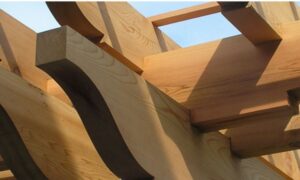
Responsible craftsmanship refers to the ethical and skilled creation of wood products. It combines traditional skills, modern quality standards, and respect for sustainability principles. Craftsmen who practice responsible woodworking take care to minimize waste, use environmentally safe processes, and create products that stand the test of time.
Responsible craftsmanship includes:
- Handcrafting pieces with precision and care
- Using eco‑friendly finishes and treatments
- Prioritizing durability over disposable quality
- Reducing waste and reusing off‑cuts when possible
This kind of craftsmanship improves product longevity and reduces the environmental footprint of wood production.
Explore how craftsmanship and sustainability come together in Bangladesh at https://craftking.com.bd/sustainable-wood-sourcing-bangladesh.
The Environmental Impact of Unsustainable Wood
When wood is sourced without consideration for the environment, the consequences are profound.
Negative Effects Include:
- Deforestation: Loss of trees reduces carbon absorption and impacts local ecosystems.
- Habitat Loss: Animals and plant species lose their natural homes.
- Soil Degradation: Without tree roots to hold soil, erosion increases.
- Climate Imbalance: Forest loss contributes to higher carbon levels in the atmosphere.
For a deeper understanding of these challenges and how responsible sourcing helps, visit CraftKing’s sustainability guide.
How Sustainable Wood Sourcing Works in Bangladesh
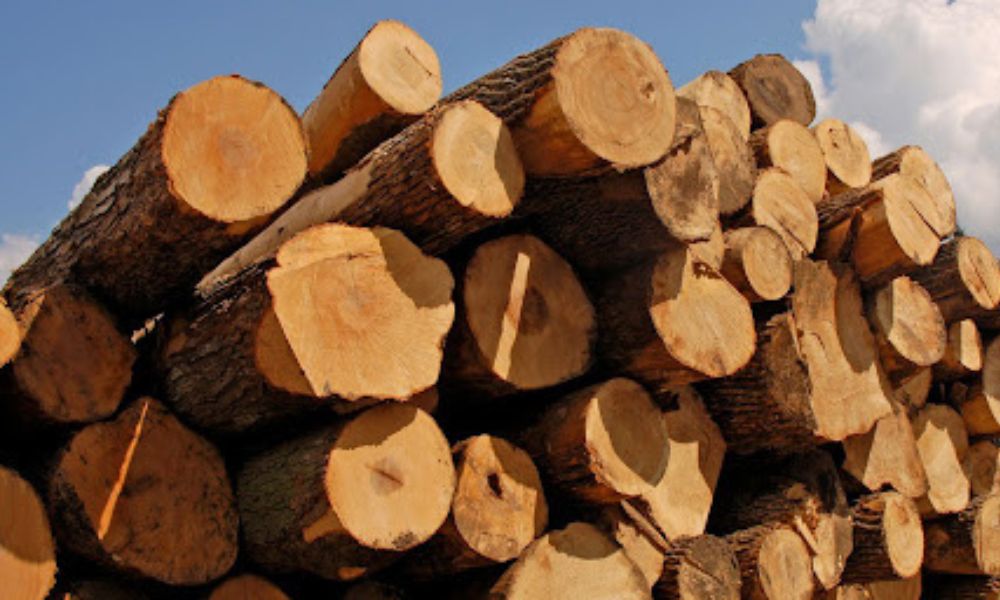
In Bangladesh, sustainable wood sourcing often involves a combination of local forestry, managed plantations, and imported legally certified wood. Ethical sourcing policies prioritize minimizing environmental harm and supporting local communities.
This includes:
- Setting aside replanting areas after harvest
- Working with certified wood suppliers
- Encouraging the use of fast‑growing species like Eucalyptus and Akashmoni
- Monitoring forests to prevent illegal logging
By choosing products made from responsibly sourced wood, consumers contribute to a healthier environment and support ethical practices. Explore more about sourcing practices at https://craftking.com.bd/sustainable-wood-sourcing-bangladesh.
Benefits of Sustainable Wood for Homes and Families
Sustainable wood products offer real value beyond environmental impact. For Bangladeshi families, these benefits include:
1. Better Indoor Air Quality
Responsibly sourced wood often uses natural finishes and avoids harmful chemicals, leading to healthier air at home.
2. Greater Longevity
Wood from sustainably managed sources tends to be stronger and more stable, reducing the need for frequent replacements.
3. Non‑Toxic Products
Chemical‑free wood items are safer for children and pets, reducing exposure to hazardous substances.
4. Timeless Aesthetics
Natural wood products crafted responsibly maintain their beauty and integrity over time.
For detailed product advantages, read CraftKing’s sustainable wood insights.
Choosing the Right Wood: Local vs Imported
Bangladeshi buyers often face a choice between locally sourced wood and imported options. Each has advantages:
Local Wood Sources
- Supports the local economy
- Reduces transportation emissions
- Promotes responsible forestry in Bangladesh
Imported Certified Wood
- Often comes with international sustainability certification
- Ensures legality and traceability
- May offer specific wood types not readily available locally
Understanding where wood comes from is essential for responsible purchasing decisions. Learn more about ethical sourcing choices at https://craftking.com.bd/sustainable-wood-sourcing-bangladesh.
Certifications and Standards to Look For
Sustainable wood products often carry certifications or standards that indicate responsible sourcing.
Look for:
- FSC Certification (Forest Stewardship Council): Ensures ethical and environmental forestry practices.
- PEFC (Programme for the Endorsement of Forest Certification): Validates sustainable forest management.
- Local Forestry Compliance: Adherence to Bangladesh forestry and environmental regulations.
Products meeting these standards offer greater assurance of sustainability and responsible production. Learn more about wood standards and certifications at CraftKing’s sustainability page.
The Role of Craftsmanship in Sustainability
Craftsmanship plays a vital role in ensuring wood products last. A beautifully crafted piece not only looks great but also saves resources by avoiding early replacements.
How Responsible Craftsmanship Adds Value:
- Durable construction: Skilled joinery increases strength.
- Eco‑friendly finishes: Natural oils and water‑based treatments reduce toxic exposure.
- Attention to detail: Precision work means fewer material weaknesses.
- Waste reduction: Reusing off‑cuts minimizes resource loss.
For insights into craftsmanship quality and sustainability, explore https://craftking.com.bd/sustainable-wood-sourcing-bangladesh.
Sustainable Wood in Everyday Wood Products
Sustainable wood sourcing isn’t just for large furniture—it matters for everyday wooden items too.
Examples include:
- Children’s toys and accessories
- Pet furniture and play structures
- Kitchen and lifestyle wooden tools
- Decorative wooden panels and wall pieces
Choosing sustainability even for small items makes a meaningful difference. Learn more about sustainable wood applications at CraftKing’s guide.
How Consumers Can Make Responsible Choices
As a buyer, you have meaningful power to support sustainability:
Tips for Responsible Buying:
- Choose products made from sustainably sourced wood
- Ask about wood origins and certifications
- Prefer natural finishes and chemical‑free treatments
- Support local craftsmen and ethical businesses
By making informed decisions, consumers help promote responsible wood usage in Bangladesh. For practical buying insights, visit https://craftking.com.bd/sustainable-wood-sourcing-bangladesh.
Common Misconceptions About Sustainable Wood

Even with growing awareness, some myths persist:
Myth 1: Sustainable Wood Is Always More Expensive
While initial costs can be higher, sustainable wood products often last longer and deliver better value over time.
Myth 2: All Imported Wood Is Sustainable
Imported wood may be ethically sourced, but it’s essential to check certifications rather than assume quality.
Myth 3: Engineered Boards Are Always Unsustainable
Boards made from recycled wood fibers with eco‑friendly adhesives can also be sustainable if properly certified.
Understanding facts helps buyers make smarter choices. Get clarity on sustainable wood facts at CraftKing’s guide.
Final Thoughts
Sustainable wood sourcing and responsible craftsmanship are more than trends—they are essential practices that protect the environment, support local communities, and ensure high‑quality products that stand the test of time. For Bangladeshi homes that value health, safety, and long‑term investment, choosing sustainable wood products is both a thoughtful and impactful decision.
If you want to explore sustainable wood product options and craftsmanship practices in detail, visit:
🔗 https://craftking.com.bd/sustainable-wood-sourcing-bangladesh